


Make in India efforts showing results as import dependence falls in key sectors despite global shocks: Bank of Baroda
ANI
06 Jun 2026, 17:30 GMT+10

 Share
Share
 Tweet
Tweet
 Share
Share
 Flip
Flip
 Email
Email
Subscribe and Follow
Get a daily dose of Central Asia Times news through our daily email, its complimentary and keeps you fully up to date with world and business news as well.


News RELEASES
Publish news of your business, community or sports group, personnel appointments, major event and more by submitting a news release to Central Asia Times.
More InformationAfter evacuation warning to villages, Israel strikes southern Lebanon

DIBBINE, Lebanon: Israel's air force carried out strikes in several areas of southern Lebanon on June 5, and the military told people...
North Korea unveils new plant to produce fuel for nuclear weapons
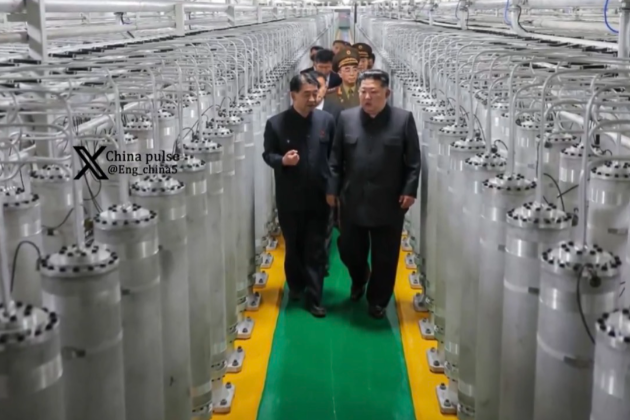
SEOUL, South Korea: North Korea, on June 4, revealed a new facility for producing fuel used in nuclear weapons, with leader Kim Jong...
Dublin GP found guilty over anti-vaccine posts

DUBLIN, Ireland: A general practitioner and former member of the Medical Council has been found guilty of professional misconduct because...
China criticizes Rubio for comments on Tiananmen protest anniversary

BEIJING/TAIPEI: China, on June 4, strongly criticized comments made by U.S. Secretary of State Marco Rubio about the deadly crackdown...
Prospects for ending war hit as Hezbollah rejects ceasefire deal

DUBAI/BEIRUT: The Iran-backed Hezbollah group rejected a new ceasefire in Lebanon on June 4, while Israel said it would not pull its...
Criminals in Ireland grooming children to work in drug trade

DUBLIN, Ireland: Children as young as seven are being targeted by criminal gangs in parts of Ireland and trained to carry drugs and...
North Korea unveils new plant to produce fuel for nuclear weapons
SEOUL, South Korea: North Korea, on June 4, revealed a new facility for producing fuel used in nuclear weapons, with leader Kim Jong...
China criticizes Rubio for comments on Tiananmen protest anniversary
BEIJING/TAIPEI: China, on June 4, strongly criticized comments made by U.S. Secretary of State Marco Rubio about the deadly crackdown...
Storm Jangmi hit Japan; train, air travel, and power lines affected

TOKYO, Japan: Severe tropical storm Jangmi hit Japan on June 3, bringing strong winds and heavy rain that disrupted transport and businesses...
19 countries and regions benefiting from Laos, China railway

When a refrigerated freight train packed with fresh durians and mangosteens arrived at the Chinese rail station of Mohan after journeying...
El Niño could raise temperatures to extreme highs, UN predicts
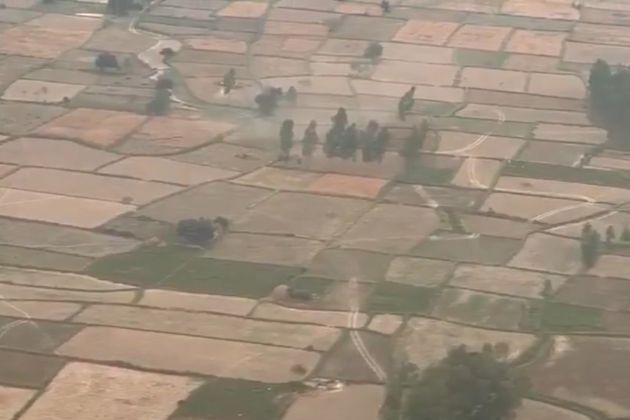
GENEVA, Switzerland: The United Nations weather agency said on June 2 that a moderate or possibly strong El Niño could develop, which...
Make in India efforts showing results as import dependence falls in key sectors despite global shocks: Bank of Baroda
New Delhi [India], June 6 (ANI): India's efforts to build domestic manufacturing capabilities appear to be yielding results, with import...
